gqlgen vs pentagi
gqlgen and pentagi share 3 technologies: HashiCorp, Postgres, and 99designs. Both are written in Go.
 LinkedIn
What they share and what sets them apart
99designs
gqlgen
go generate based graphql server library
Go10.8kRead on November 13, 2026, at commit 4c4858aWhat is gqlgen built with?In common
vxcontrol
pentagi
Fully autonomous AI Agents system capable of performing complex penetration testing tasks
Go34.2kRead on November 14, 2026, at commit cffed94What is pentagi built with?Only in pentagi
- Gin
- go-sqlite3
- pgx
- pq
- github.com/pgvector/pgvector-go
github.com/pressly/goose/v3
- github.com/sqlc-dev/pqtype
- SQLite
github.com/charmbracelet/bubbletea
github.com/gin-contrib/static
- Vite
- React
react-router-dom
- lru-cache
github.com/charmbracelet/lipgloss
github.com/charmbracelet/bubbles
github.com/charmbracelet/ultraviolet
- github.com/muesli/termenv
- github.com/jinzhu/gorm
github.com/gin-contrib/sessions
- golang.org/x/oauth2
github.com/golang-jwt/jwt/v5
github.com/aws/aws-sdk-go-v2/credentials
github.com/coreos/go-oidc/v3
github.com/vxcontrol/langchaingo
- Ollama
github.com/charmbracelet/glamour
github.com/go-playground/validator/v10
github.com/invopop/jsonschema
- github.com/xeipuuv/gojsonschema
- github.com/sirupsen/logrus
github.com/vxcontrol/cloud
github.com/moby/moby/client
- OpenTelemetry
- Tailwind CSS
class-variance-authority
tailwind-merge
sonner
- Radix UI
tiptap
- React Hook Form
- TanStack
xterm
motion
- cmdk
- lowlight
recharts
react-day-picker
react-diff-viewer-continued
react-resizable-panels
- react-textarea-autosize
- Lucide
marked
@react-pdf/renderer
highlight.js
- react-markdown
rehype-highlight
rehype-slug
remark-gfm
- Zod
@hookform/resolvers
Side by side
gqlgenpentagi
SizeLines written by people and agents, without generated ones; code files, without tests.
gqlgen84,134 lines written166 code files
pentagi330,671 lines written725 code files
Who writes itA commit counts as AI's when it carries its signature: a Co-Authored-By line, its author name or the merge of its branch.
gqlgen0% of its commits signed by AI
pentagi67.8% of its commits signed by AIWith Claude Code, Cursor, and GitHub Copilot
ActivityFrom GitHub and its history, on the day SeeRepo read it.
gqlgenLast push November 12, 20263,191 commits10,773 stars
pentagiLast push November 13, 2026878 commits34,153 stars
TestsThe files that test the code, and the share of code files a test imports.
gqlgen395 test files81.9% of its code files have a test that imports them
pentagi489 test files54.8% of its code files have a test that imports them
Frequently asked questions
Which is bigger, gqlgen or pentagi?
pentagi, with 330,671 lines written; gqlgen has 84,134.
The proof: vxcontrol/pentagi's code at commit cffed94
Which has more GitHub stars, gqlgen or pentagi?
pentagi, with 34,153 stars; gqlgen has 10,773.
The proof: vxcontrol/pentagi on GitHub
Which has more tests, gqlgen or pentagi?
pentagi, with 489 test files; gqlgen has 395.
The proof: vxcontrol/pentagi's code at commit cffed94
Which was updated more recently, gqlgen or pentagi?
pentagi: its last push was on November 13, 2026, and gqlgen's on November 12, 2026.
The proof: vxcontrol/pentagi's commits on GitHub
Which has more commits signed by AI, gqlgen or pentagi?
pentagi: an AI signed 67.8% of its commits, with Claude Code, Cursor, and GitHub Copilot.
The proof: the commits each tool signed in vxcontrol/pentagi
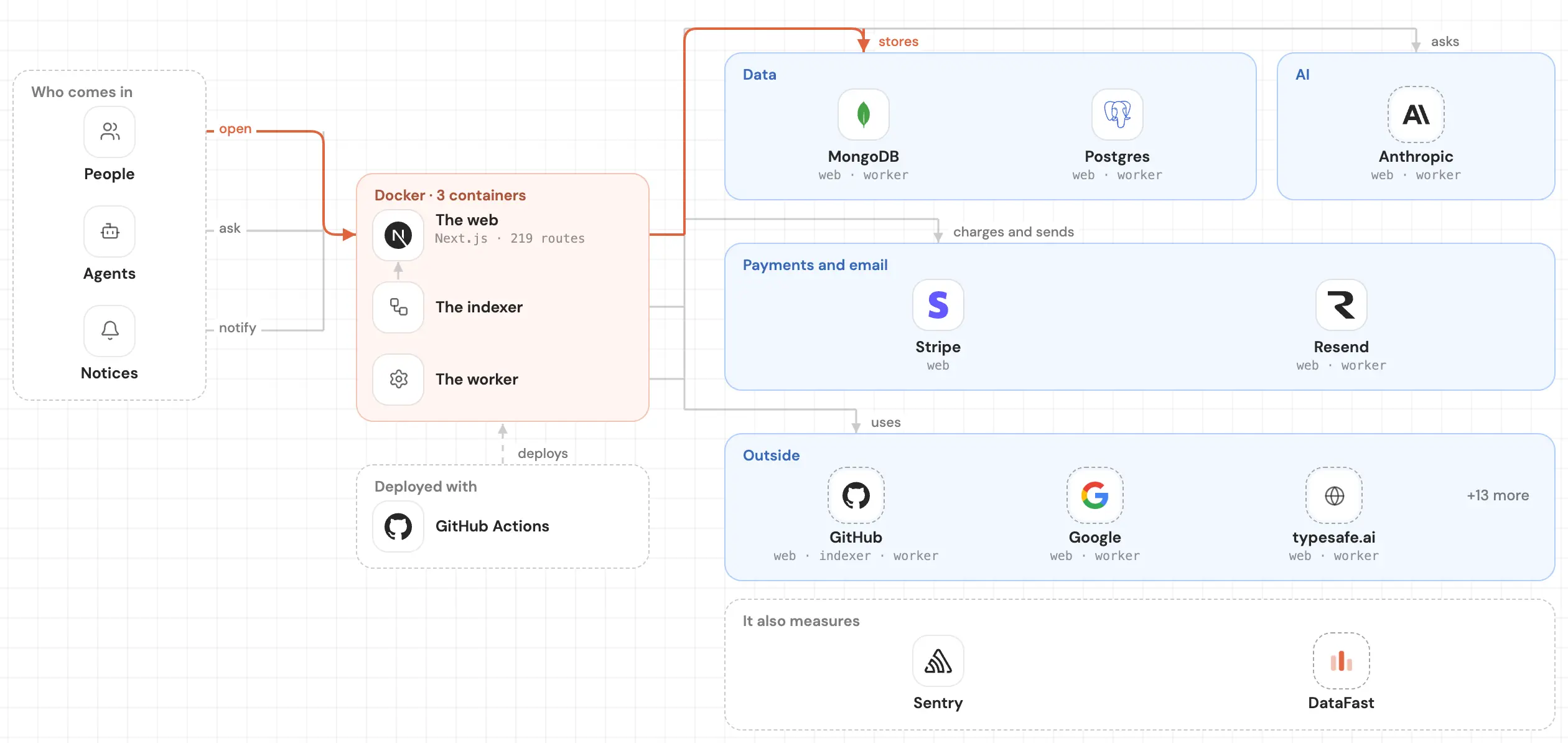
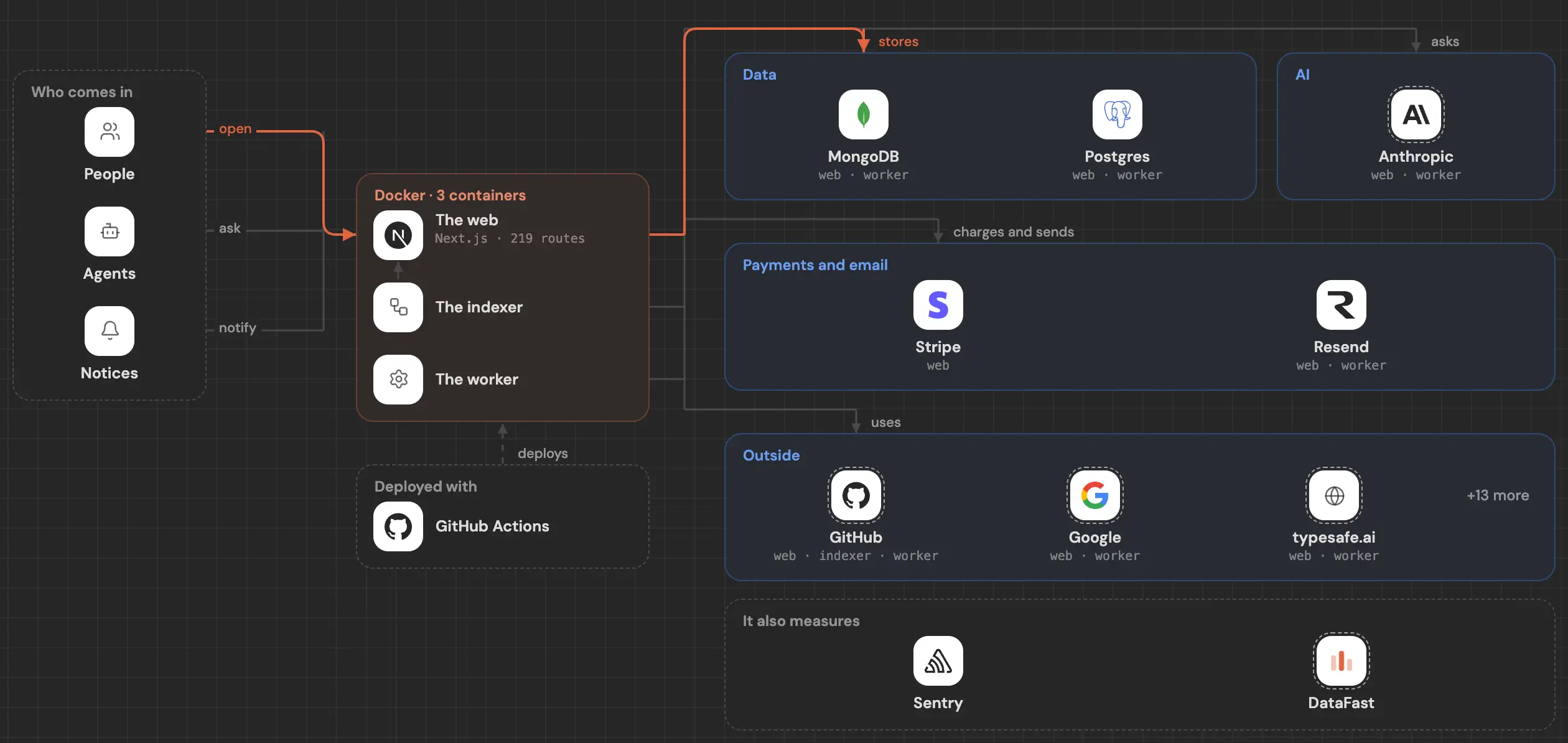
See inside your code, today.
Paste your repo and see it drawn, part by part: a medium one in under a minute.
Free, no account.Private repo? Sign in with GitHub


