slime vs vllm
slime and vllm share 7 technologies: FastAPI, OpenAI, Ray, MCP, transformers, safetensors, and pillow. Both are written in Python.

 LinkedIn
What they share and what sets them apart
THUDM
slime
slime is an LLM training framework for RL Scaling.
Python8.8kRead on November 16, 2026, at commit 79aa41aWhat is slime built with?Only in slime
- blobfile
accelerate
- datasets
openai-agents
e2b
- qwen-vl-utils
- pylatexenc
In common
vllm-project
vllm
A high-throughput and memory-efficient inference and serving engine for LLMs
Python96.8kRead on November 12, 2026, at commit c6573eeWhat is vllm built with?Only in vllm
- axum
- gitdb
- pyzmq
- Hugging Face
- Tokio
starlette
- AIOHTTP
- tower
mkdocs-material
- indicatif
- AMD
apache-tvm-ffi
- auto-round-lib
- conch-triton-kernels
- cuda-bindings
- cuda-python
cupy-cuda12x
flashinfer-python
- humming-kernels
lm-format-enforcer
mooncake-transfer-engine
- NVIDIA
nvidia-cudnn-frontend
- openai-harmony
- oss-harmony
- quack-kernels
- sentencepiece
- vllm-bench
- vllm-chat
- vllm-engine-core-client
- vllm-llm
- vllm-managed-engine
- vllm-parser
- vllm-proto
- vllm-server
- vllm-text
- vllm-tokenizer
- torch
- xgrammar-structural-tag
- einops
llm-multimodal
- compressed-tensors
- triton
- mistral-common
xgrammar
partial-json-parser
torchvision
lmcache
torchaudio
timm
vllm-xpu-kernels
- runai-model-streamer
tokenizers
tokenspeed-mla
- llguidance
outlines-core
- tpu-inference
- fastokens
- fastsafetensors
- hf-hub
- instanttensor
- nixl
- riptoken
- tekken
- tensorizer
- tiktoken
- tiktoken-rs
- markdown
markupsafe
- mkdocs-material-extensions
parquet
- properdocs
- pymdown-extensions
selectolax
- xlsxwriter
- image
- jinja2
minijinja
- torchcodec
- annotated-types
- Pydantic
msgspec
- validator
- opentelemetry-semantic-conventions-ai
- python-json-logger
- vllm-metrics
- vllm-tracing
tracing
prometheus-client
psutil
- model-hosting-container-standards
- OpenTelemetry
- prometheus-fastapi-instrumentator
Side by side
slimevllm
SizeLines written by people and agents, without generated ones; code files, without tests.
slime111,697 lines written209 code files
vllm2,489,750 lines written3,450 code files
Who writes itA commit counts as AI's when it carries its signature: a Co-Authored-By line, its author name or the merge of its branch.
slime3.2% of its commits signed by AIWith Claude Code, Codex, GitHub Copilot, Cursor, and Gemini CLI
vllm14% of its commits signed by AIWith Claude Code, Codex, Gemini CLI, Cursor, GitHub Copilot, Devin, Mistral Vibe, CodeRabbit, Factory, and Qwen Code

ActivityFrom GitHub and its history, on the day SeeRepo read it.
slimeLast push November 5, 20261,603 commits8,828 stars
vllmLast push November 12, 202625,200 commits96,790 stars
TestsThe files that test the code, and the share of code files a test imports.
slime170 test files65.6% of its code files have a test that imports them
vllm2,521 test files61.1% of its code files have a test that imports them
Frequently asked questions
Which is bigger, slime or vllm?
vllm, with 2,489,750 lines written; slime has 111,697.
The proof: vllm-project/vllm's code at commit c6573ee
Which has more GitHub stars, slime or vllm?
vllm, with 96,790 stars; slime has 8,828.
The proof: vllm-project/vllm on GitHub
Which has more tests, slime or vllm?
vllm, with 2,521 test files; slime has 170.
The proof: vllm-project/vllm's code at commit c6573ee
Which was updated more recently, slime or vllm?
vllm: its last push was on November 12, 2026, and slime's on November 5, 2026.
The proof: vllm-project/vllm's commits on GitHub
Which has more commits signed by AI, slime or vllm?
vllm: an AI signed 14% of its commits, with Claude Code, Codex, Gemini CLI, Cursor, GitHub Copilot, Devin, Mistral Vibe, CodeRabbit, Factory, and Qwen Code; in slime, 3.2%.
The proof: the commits each tool signed in vllm-project/vllm
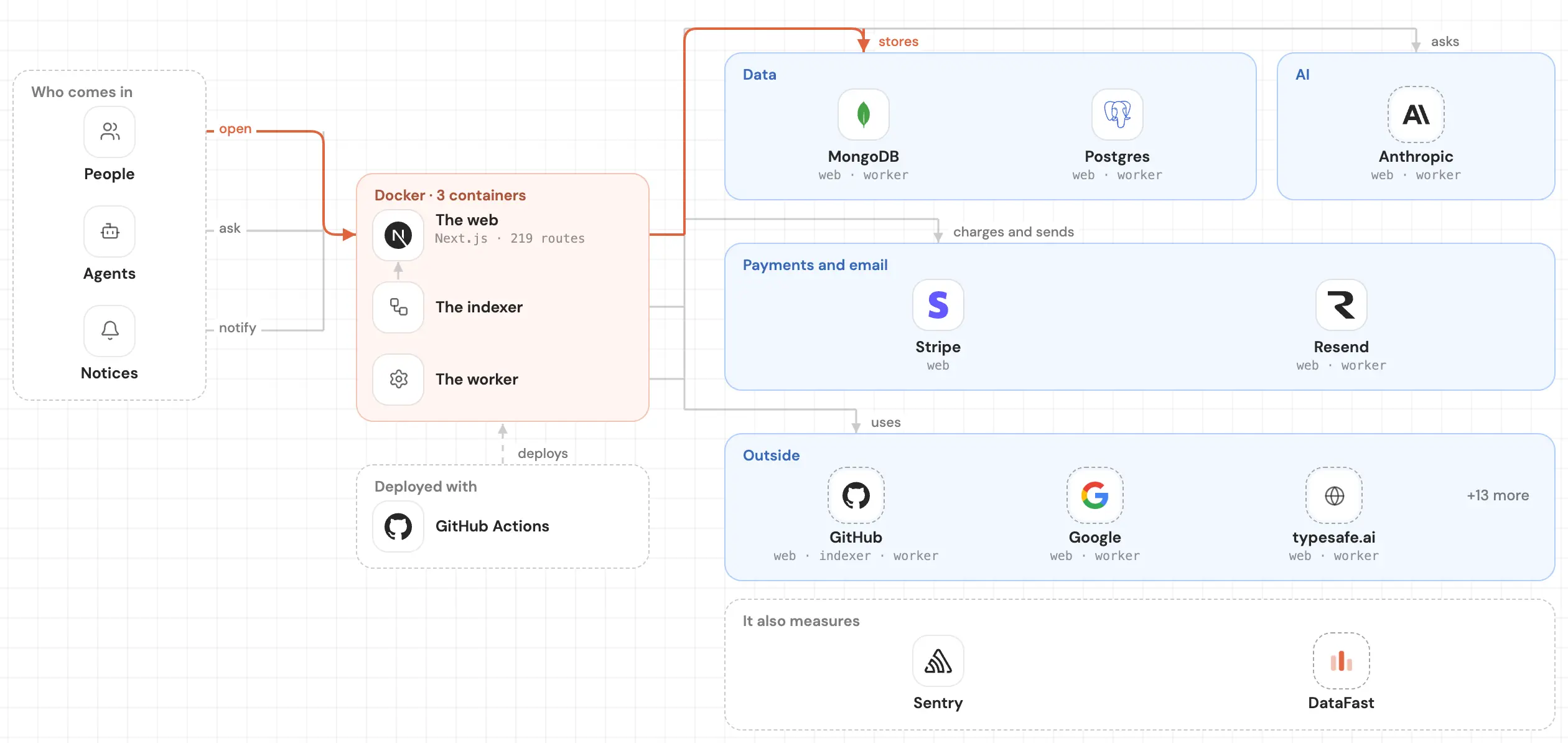
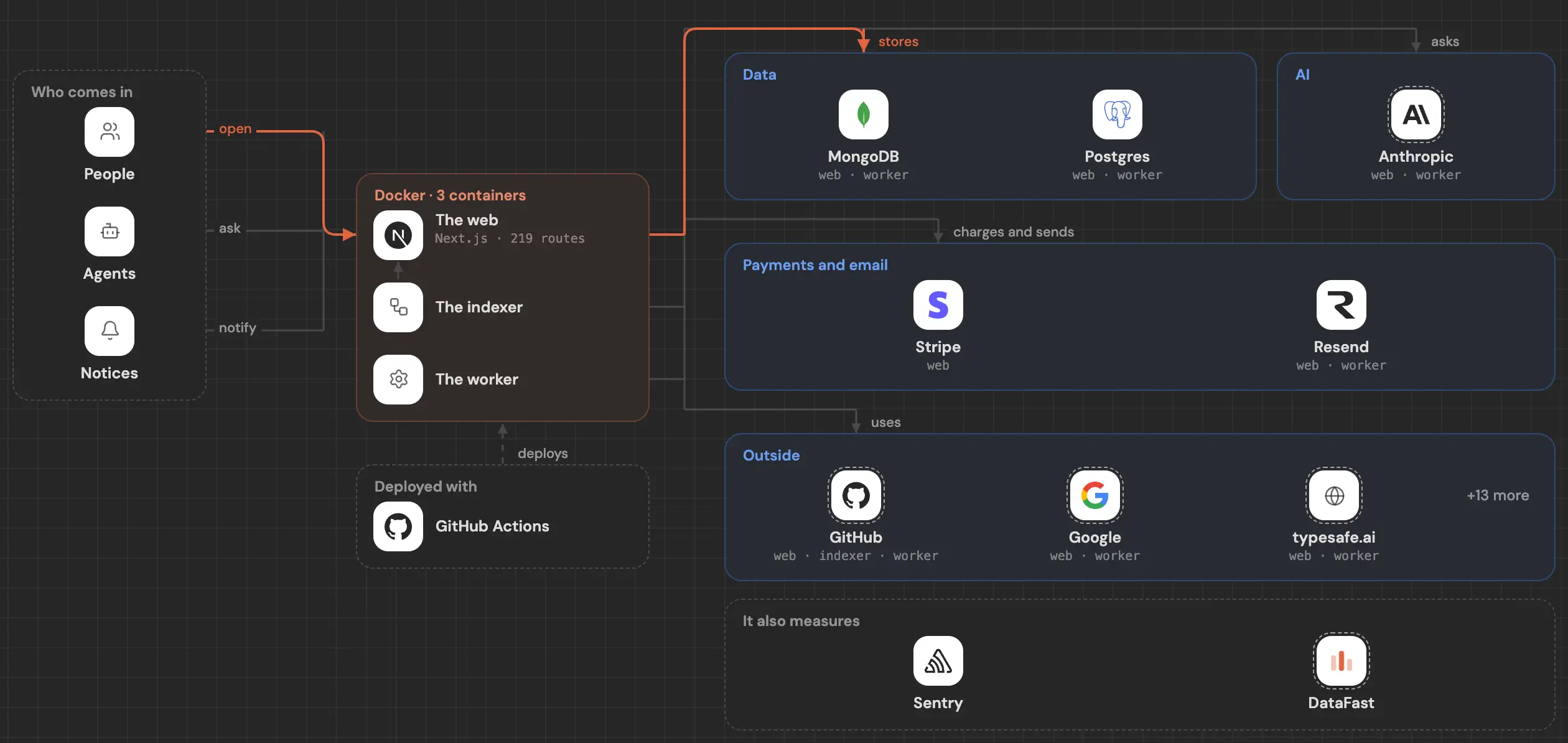
See inside your code, today.
Paste your repo and see it drawn, part by part: a medium one in under a minute.
Free, no account.Private repo? Sign in with GitHub


