What is krita-ai-diffusion built with?
krita-ai-diffusion is a Python repo built with anyio, pyqt6, and AIOHTTP. It reaches its data with alembic and SQLAlchemy, signs people in with cryptography and pyjwt, uses AI through albucore, albumentations, argostranslate, comfy-aimdo, comfy-kitchen, and 36 more, makes its content with av, comfyui-embedded-docs, comfyui-workflow-templates, cssselect2, imageio, and 12 more, validates its data with annotated-types, jsonschema, jsonschema-specifications, Pydantic, and referencing, is tested with pytest-asyncio, Pytest, and psutil, deploys with boto3, colorlog, and spacy-loggers, and uses gitdb and smart-open. It has 40,529 written lines, with 30 test files.
 LinkedIn
Read on November 13, 2026, at commit 828b70c. Read it as markdown
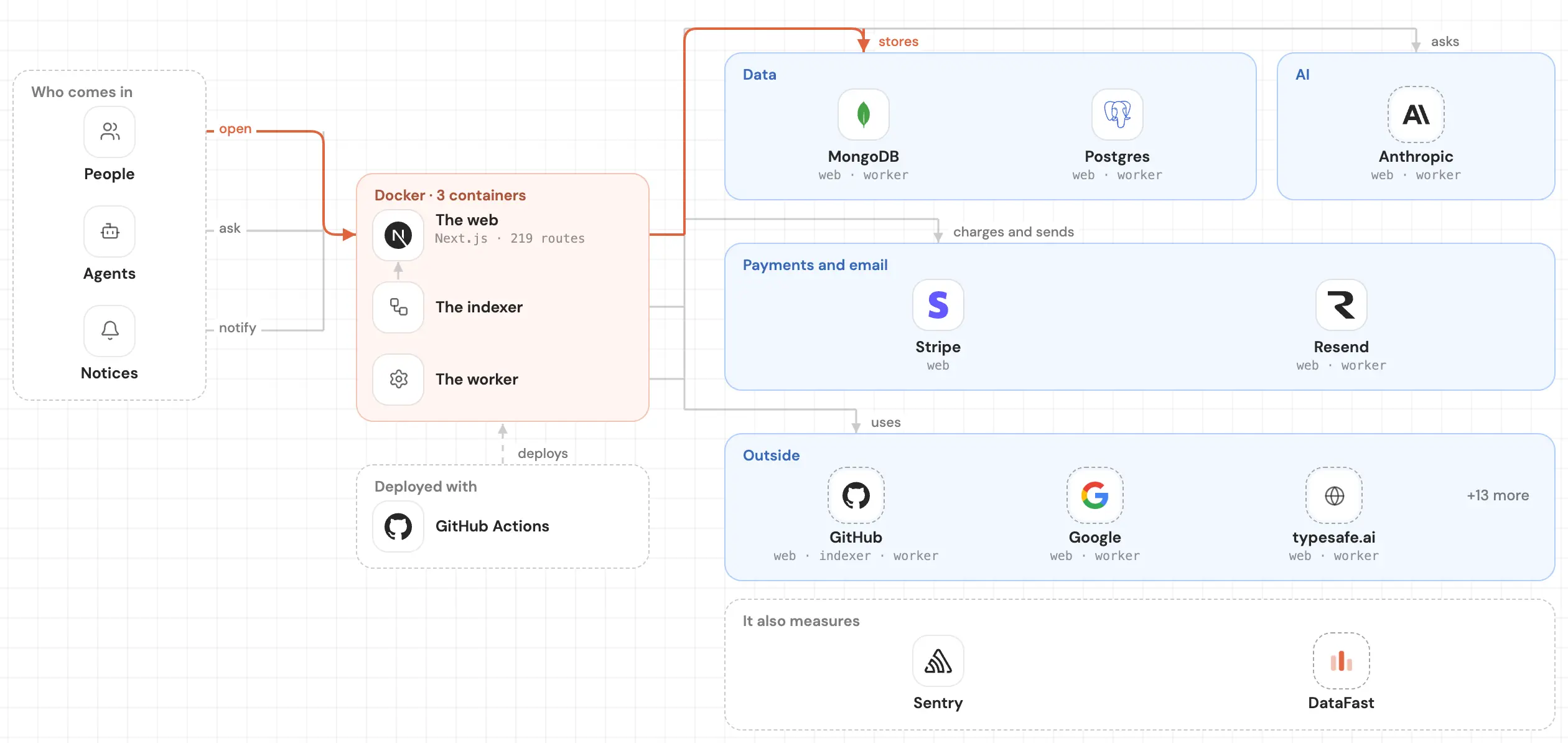
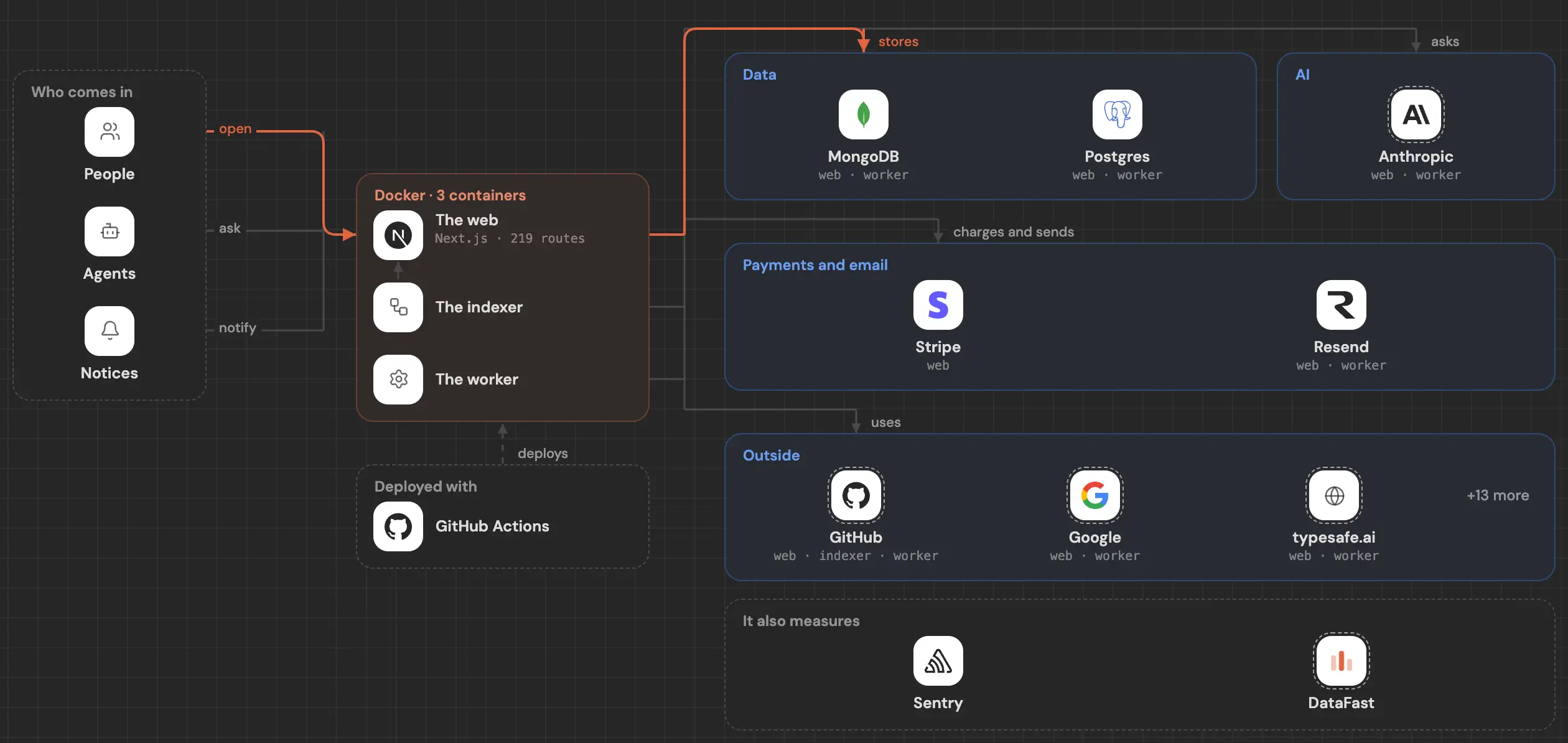
The card says what it's built with. Its whole map opens it up: every part of the code and how it connects to the rest.
Frontend
Backend
Data 2
- gitdb
- smart-open
Data access 2
Sign-in 2
AI 41
albumentations
argostranslate
comfy-aimdo
comfy-kitchen
ctranslate2
kornia
kornia-rs
- MediaPipe
- NVIDIA
opencv-contrib-python
safetensors
scikit-image
- scikit-learn
- spaCy
spacy-legacy
stanza
thinc
tokenizers
- torch
torchaudio
torchvision
- albucore
- cuda-bindings
- cuda-toolkit
- einops
- gguf
- nvidia-cuda-runtime
- nvidia-cudnn-cu12
- nvidia-cudnn-cu13
- nvidia-cufft
- nvidia-cusolver
- nvidia-cusparse
- onnxruntime
- rocm-sdk-core
- sacremoses
- sentencepiece
- spandrel
- torchsde
- transformers
- triton
Support
Content 17
pillow1 file
av
comfyui-embedded-docs
imageio
- jinja2
lxml
markdown-it-py
markupsafe
webencodings
- comfyui-workflow-templates
- cssselect2
- mako
Testing 3
- Pytest15 files
psutil1 file
pytest-asyncio
Tools 20
antlr4-python3-runtime
click
- nvidia-cuda-cupti
pygments
- Ruff
- Setuptools
- Typer
- uv
- debugpy1 file
- annotated-doc
- cuda-pathfinder
- gitpython
- packaging
- pip
- pycparser
- pyelftools
- pyright
- shellingham
- typing-extensions
- yapf
Other 96
- NumPy1 file
absl-py
attrs
certifi
filelock
fsspec
hf-xet
- Intel
joblib
lazy-loader
narwhals
networkx
- nvidia-cuda-nvrtc
omegaconf
platformdirs
portalocker
pycryptodome
pydantic-settings
python-dateutil
pyyaml
- SciPy
simsimd
sounddevice
stringzilla
- SymPy
termcolor
- tqdm
trimesh
ujson
urllib3
wrapt
- addict
- aiofiles
- aiohappyeyeballs
- aiohttp-socks
- aiosignal
- blis
- catalogue
- cffi
- chardet
- charset-normalizer
- colorama
- confection
- cymem
- emoji
- flatbuffers
- frozenlist
- ftfy
- greenlet
- h11
- h2
- hpack
- httpcore
- httpx
- hyperframe
- idna
- importlib-metadata
- iopath
- kiwisolver
- matrix-nio
- minisbd
- mpmath
- multidict
- murmurhash
- nvidia-nvshmem-cu12
- preshed
- propcache
- protobuf
- pygithub
- pynacl
- pyparsing
- python-dotenv
- python-socks
- pyzes
- regex
- requests
- rpds-py
- rtree
- shapely
- six
- smmap
- soundfile
- srsly
- tabulate
- threadpoolctl
- toml
- truststore
- typing-inspection
- wasabi
- wcwidth
- weasel
- xxhash
- yacs
- yarl
- zipp
Other repos with a similar stack
Ordered by how much of its stack they share with krita-ai-diffusion, then by stars.
- run-llamallama_index52.9k
LlamaIndex is the document processing platform for AI
27 of 202 in commonCompare →
Frequently asked questions
What language is krita-ai-diffusion written in?
What framework does krita-ai-diffusion use?
What does krita-ai-diffusion sign people in with?
Does krita-ai-diffusion use AI?
What services does krita-ai-diffusion use?
Does krita-ai-diffusion have tests?
Which repos have a stack like krita-ai-diffusion's?
See inside your code, today.
Paste your repo and see it drawn, part by part: a medium one in under a minute.
Free, no account.
Is it your repo? Add its badge, keep it up to date or take it down →


